

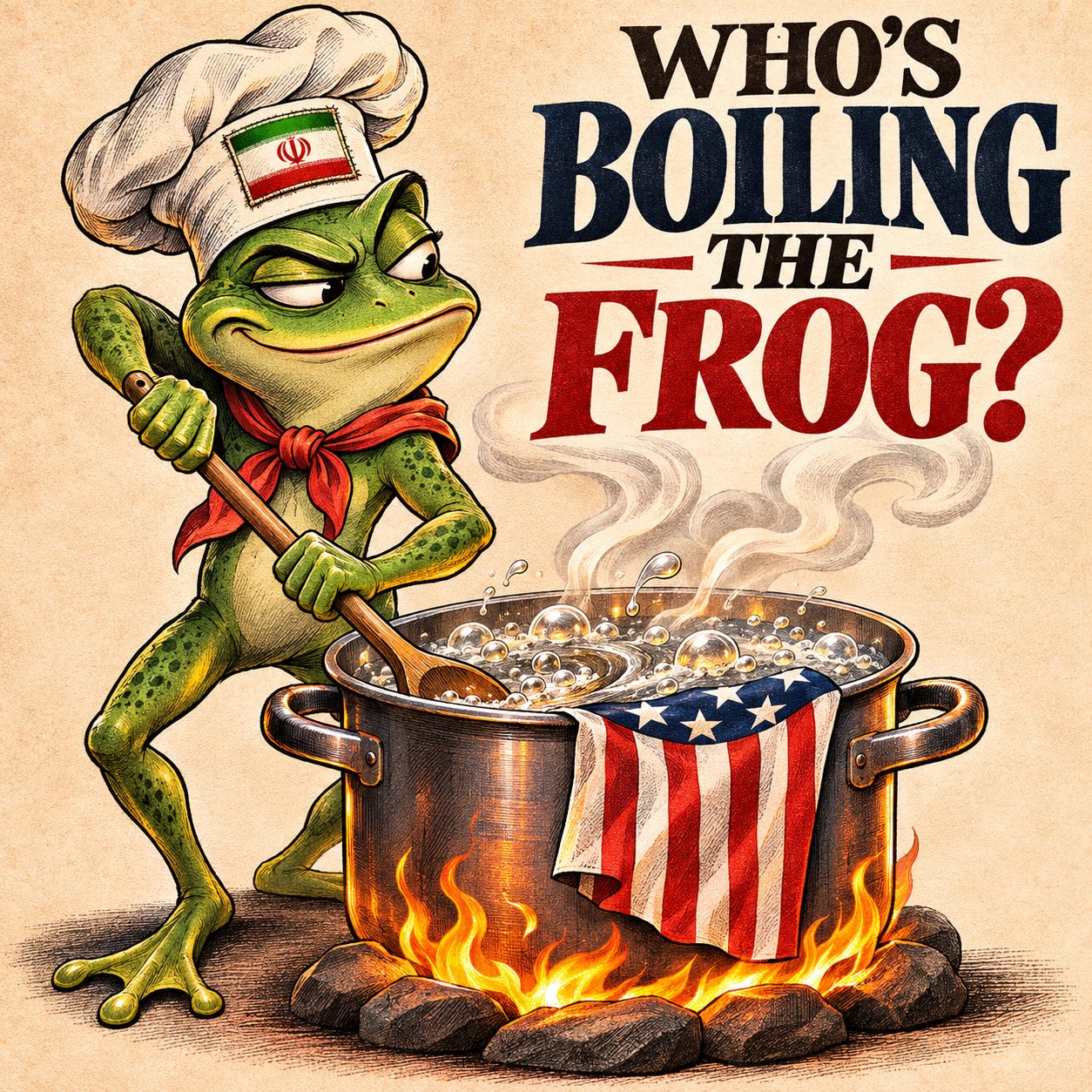
In October, U.S. Treasury Secretary Scott Bessent drew a curve on a napkin for a New Yorker reporter. It sloped gently downward, then plunged. That was his expectation for Iran: pressure would build until the economy reached a breaking point. A month later, the Iranian-American scholar Vali Nasr described Tehran’s strategy in similar terms. Keep energy markets unsettled, let the costs accumulate on Western countries and wait for Washington to reconsider. As he put it, Iran’s strategy was to “boil the frog gradually.”
Washington is targeting Tehran’s financial lifelines
The U.S. naval blockade pressures Iran’s exports. Closing Iran’s borders with neighbouring countries add more pressure. The Treasury campaign targets not just what happens after a sale, but the sale itself to prevent any way of turning around the sanctions. Since launching Operation Economic Outcast in August, Washington has sanctioned Russia’s VTB Bank over its dealings with sanctioned Iranian banks, warned other foreign financial institutions and targeted more than two dozen exchange houses, front companies and individuals. FinCEN’s November analysis identified $14.7 billion in transactions potentially linked to Iranian shadow banking between January 2025 and August 2026. The figure describes activity the agency flagged. The amount actually blocked remains unclear.
Iran can keep shipping oil but still struggle to pass US blockade and then to turn those sales into usable foreign currency. Washington’s wager is that this squeeze will eventually change Tehran’s negotiating terms. Iran however follow the same strategy from the other side, hoping that Hormuz economic pressure on global economy will force US to return to Islamabad dear, but with more favourable terms under the name of Islamabad-Plus.
Tehran is raising the cost of waiting
Iran retained enough military capacity to respond after the opening campaign. That mattered at sea and on land. At sea, the risk of interruption made routine commerce through Hormuz more expensive. On land, the war exposed vulnerabilities in the U.S. basing network. Gulf governments that rely on American protection also have to weigh the risk of being drawn into a confrontation that endangers their own infrastructure and exports. Their choices about basing and security partnerships could shape the regional balance long after the conflict.
The insurance figures make the maritime cost tangible. S&P Global reported that additional war-risk premiums rose from about 0.25% of hull value before the war to 4.5–6% before the June understanding, then eased to 3–4% after it was signed. Al Jazeera cited July estimates of 7.5–10%. In November, acting U.S. Navy Secretary Hung Cao told senators that insurance for a crossing had reached $64 million. The traffic data offer a firmer measure: UK Maritime Trade Operations recorded 308 crossings in the week ending 11 November, about 65% below pre-war levels. Ships were getting through. Normal commerce was still far off.
The test is who affords more pain
Bessent expected the midterms to strip Tehran of leverage. Tehran however read the results as evidence that the costs of the war were catching up with Washington. Democrats won both chambers, giving them more scope to scrutinise the war and contest its funding when the new Congress takes office in January. The election changed the politics of sustaining the campaign. Its effect on U.S. negotiating terms remains to be seen.
The clearest test is already on the table. Tehran wants the June Islamabad memorandum implemented before substantive nuclear talks. Washington wants the nuclear issue up front. If Tehran accepts that sequence as usable export revenues shrink, Washington’s bet gains credibility. If Washington moves first on implementing the memorandum while Tehran holds its position, Iran will have turned some of the costs it imposed into a political concession. Or, US will eventually give up and quit the blockade after Trumps leaves the office in early 2029 or even before that which mean a victory for Iran and a region in hand of Tehran. The answer to who’s boiling the frog may come down to who could afford more pain and pressure and resist longer?
