

The current wave of protests in Iran is unlikely, on its own, to bring about the collapse of the Islamic Republic. Many Iranians — even those deeply frustrated with the system — remain cautious, shaped by the painful lessons of Iraq, Syria, Libya, and Afghanistan, where regime change produced chaos rather than stability. Yet this hesitation should not be mistaken for loyalty. What the protests reveal is something more fundamental: the regime has lost its narrative. Even those who fear its fall no longer believe in its promises of resistance, security, or moral purpose. They are not staying silent because they are convinced — they are staying silent because they are afraid of what comes after.
When a Regime Loses Its Narrative, It Starts Losing Control
Authoritarian systems do not survive by repression alone. They survive because they persuade large parts of society to accept sacrifice, fear, and inequality as necessary or meaningful. Every durable political order rests on a narrative — a story about why it rules, what it protects, and where it is leading the nation. When that story collapses, even the strongest security state begins to weaken.
History offers many examples. The Soviet Union did not fall simply because of economic failure, but because the promise of socialism — dignity, equality, global leadership — became impossible to reconcile with empty shelves, corruption, and humiliation abroad. South Africa’s apartheid regime collapsed not only under international pressure, but when its ideological claim to moral and civilizational superiority lost credibility even among parts of its own population. In Egypt, the Mubarak regime survived decades of repression but fell quickly in 2011 when Egyptians stopped believing that stability was worth stagnation and humiliation.
The same pattern appears repeatedly: regimes fall when the story that justifies them stops making sense to the people who live under them. Repression can silence dissent, but it cannot restore belief.
Iran’s Islamic Republic was built on one of the most powerful narratives of the modern Middle East. It promised independence from foreign domination, social justice, spiritual dignity, and national strength. For decades, many Iranians accepted hardship because they believed it served a higher purpose — resistance, sovereignty, and regional leadership.
That belief is now eroding. Inflation, corruption, isolation, and insecurity are no longer perceived as temporary costs of resistance, but as permanent features of a failing system. The public is no longer asking, “How long must we suffer for victory?” but rather, “What exactly have we gained?”
This shift is decisive. When people stop believing in a regime’s purpose, they begin to question its legitimacy. And once legitimacy erodes, protests no longer remain about reform — they become about replacement.
The unrest in Iran today is not simply economic or political. It is narrative collapse. The state’s explanation for why it rules — and why people must endure — is no longer convincing. That is why this moment is different, and why the regime feels more vulnerable than it has in decades.
The Collapse of the “Resistance” Story
For more than four decades, the Islamic Republic built its legitimacy around one central idea: resistance. The regime told Iranians that economic hardship, sanctions, isolation, and even war were the necessary price of standing up to global domination. As Supreme Leader Ayatollah Ali Khamenei repeatedly framed it, Iran was not poor or isolated because of mismanagement, but because it had chosen dignity over submission.
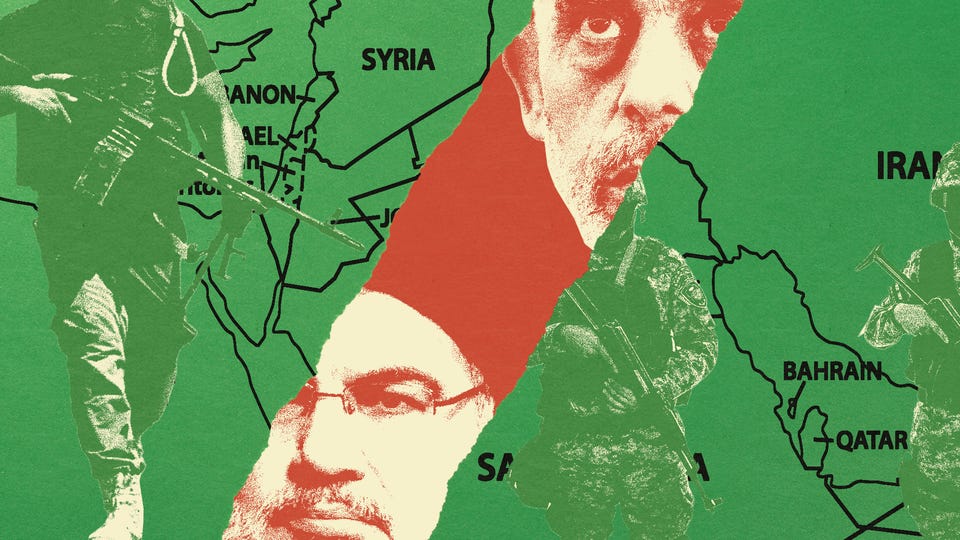
This message was reinforced by the regime’s regional strategy. Iran’s expanding network of allies and militias — Hezbollah in Lebanon, armed groups in Iraq, the Assad regime in Syria, Hamas and Palestinian Islamic Jihad, and the Houthis in Yemen — was marketed at home as a protective shield. The idea was simple: Iran fights its enemies abroad so that Iranians do not have to fight them at home.
Qassem Soleimani, the late commander of the Quds Force, captured this narrative clearly when he declared:
“We are fighting in Aleppo, Mosul, and Damascus so we do not have to fight in Kermanshah and Tehran.”
For years, this argument carried weight. Even critics of the regime often accepted that Iran’s forward-defense doctrine kept the country safe.
That story is now collapsing.
Today, Hezbollah is severely weakened after repeated Israeli strikes and internal strain. The Assad regime — the central pillar of Iran’s regional corridor — has fallen. Iran-backed militias in Iraq and Syria are fragmented, under pressure, and increasingly constrained. Hamas has been devastated in Gaza. And most striking of all, Israel has carried out direct strikes inside Iranian territory, including against nuclear and military facilities, during the 12-day war, and the US caused significant damage to Iran nuclear program.
Instead of keeping the war far from Iran, the proxy network has now pulled it home.
This has shattered the regime’s central promise. What was sold as a defensive strategy now looks like a dangerous overreach that made Iran more exposed, not safer. Many Iranians are openly asking: If all this sacrifice was meant to protect us, why are bombs now falling inside our country?
Even insiders have begun to acknowledge the problem. Former foreign minister Mohammad Javad Zarif admitted in a 2025 interview in Doha Conference that “regional policies have imposed heavy costs on society,” and “they did not shoot a single bullet for Iran,” while former president Hassan Rouhani warned that “foreign adventures without economic strength lead only to pressure on the people.”
On social media, the collapse of the resistance narrative has become brutal and sarcastic. After Israeli strikes hit Iranian targets, users posted:
“So this is what fighting them abroad was supposed to prevent?”
Others mocked the billions spent on Hezbollah and Syria while Iran’s air defenses failed to protect its own cities.
The regime’s most sacred pillar — that it was trading economic pain for security — has been exposed as hollow. Not only did the proxy network fail to deter Israel, it helped trigger a confrontation that reached deep into Iran itself.
This is why the anger today is not just economic or political. It is existential. The story that justified everything — sanctions, repression, isolation, and sacrifice — has lost credibility. And when a regime loses its narrative, it begins to lose its grip on power.
The Nuclear Bargain Has Failed
For more than two decades, Iran’s nuclear program was sold to the public as a strategic investment in the nation’s future. The regime promised that nuclear technology would bring three things: security against foreign threats, scientific prestige, and political leverage that would force the world to respect Iran’s sovereignty.
Ayatollah Khamenei repeatedly framed the nuclear project as both a national right and a shield. “Nuclear technology is a symbol of our independence,” he said. “It guarantees our security and our dignity.” Government media portrayed enrichment not as a gamble, but as a rational trade: temporary hardship in exchange for long-term protection.
That bargain has collapsed.
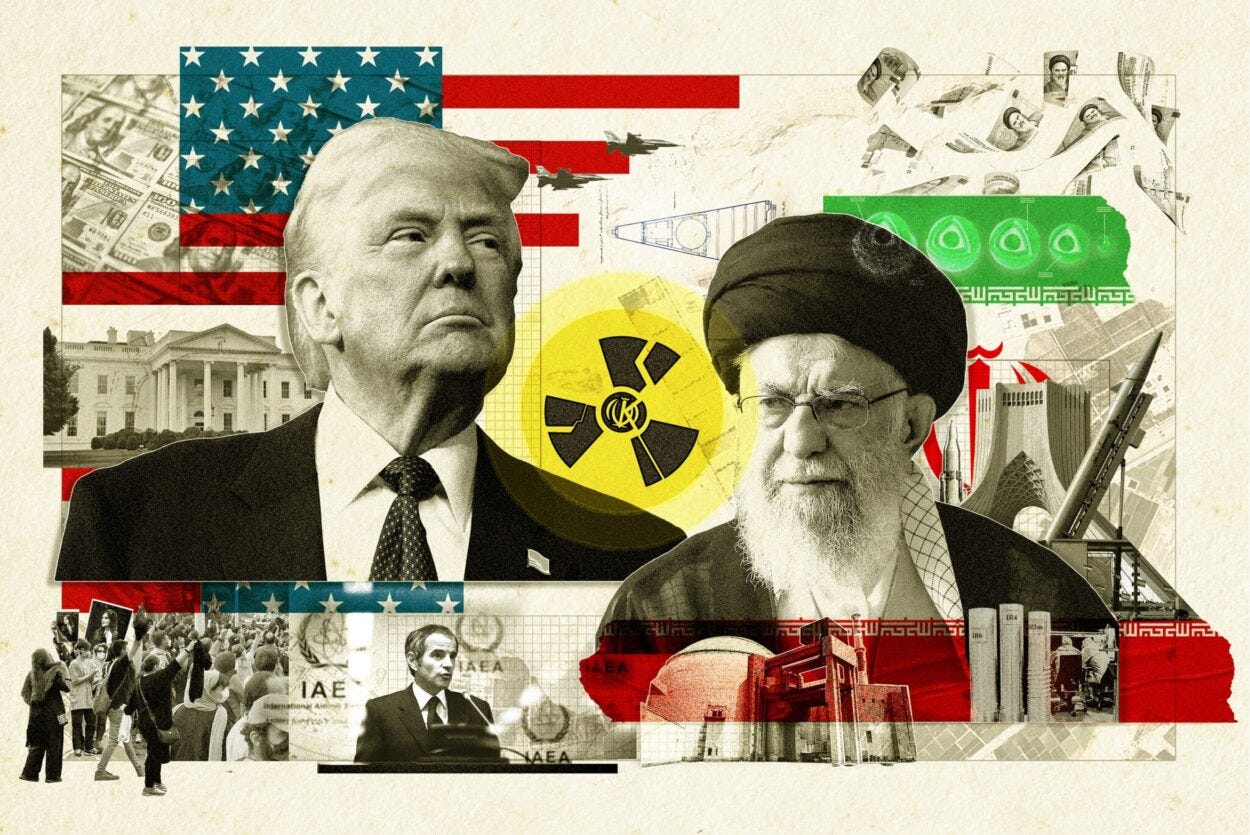
Instead of security, Iran got sanctions that crippled the economy, cutting off investment, shrinking incomes, and hollowing out the middle class. Instead of scientific prestige, Iran watched its nuclear scientists assassinated in covert operations. Instead of leverage, Iran’s facilities became targets for Israeli and U.S. strikes — culminating in the recent 12-day war that demonstrated how vulnerable the nuclear infrastructure actually is.
The core promise — that nuclear capability would deter attacks — has been exposed as false. Iran invested decades of resources and endured extraordinary isolation to build a program that could not stop its enemies from striking inside its borders. In fact, the program itself became the justification for those strikes.
For ordinary Iranians, the conclusion is unavoidable: they paid the price, but they never gained the fruit.
Instead, the nuclear file became a trap. It locked Iran into permanent confrontation, drained its economy, and invited repeated military escalation — without delivering either safety or prosperity.
With the significant damage inflicted on Iran’s nuclear infrastructure by the U.S. strikes last June, the program has not only been set back for years — it has also stripped the regime of one of its most important bargaining tools with the West. For decades, Tehran used its nuclear advances as leverage to negotiate sanctions relief and political concessions. Now that leverage has largely vanished. Instead of negotiations, Iran increasingly faces demands for capitulation, with little appetite in Western capitals to re-enter a diplomatic process that no longer offers meaningful incentives.
The result is a broken social contract. Iranians were told to endure sanctions, isolation, and hardship for a future of security and dignity. What they got instead was vulnerability, economic decline, and the sight of foreign jets striking Iranian soil.
When a regime can no longer justify the sacrifices it demands, its authority begins to erode.
The Regional Power Illusion: From “Iran Rising” to Strategic Overstretch
For years, Iran’s leadership told its people that regional expansion was transforming the country into a Middle Eastern superpower. From Beirut to Baghdad, Damascus to Sana’a, the regime portrayed its network of allies and militias as proof that Iran was shaping the future of the region. The public was asked to accept economic hardship at home in exchange for strategic depth abroad.
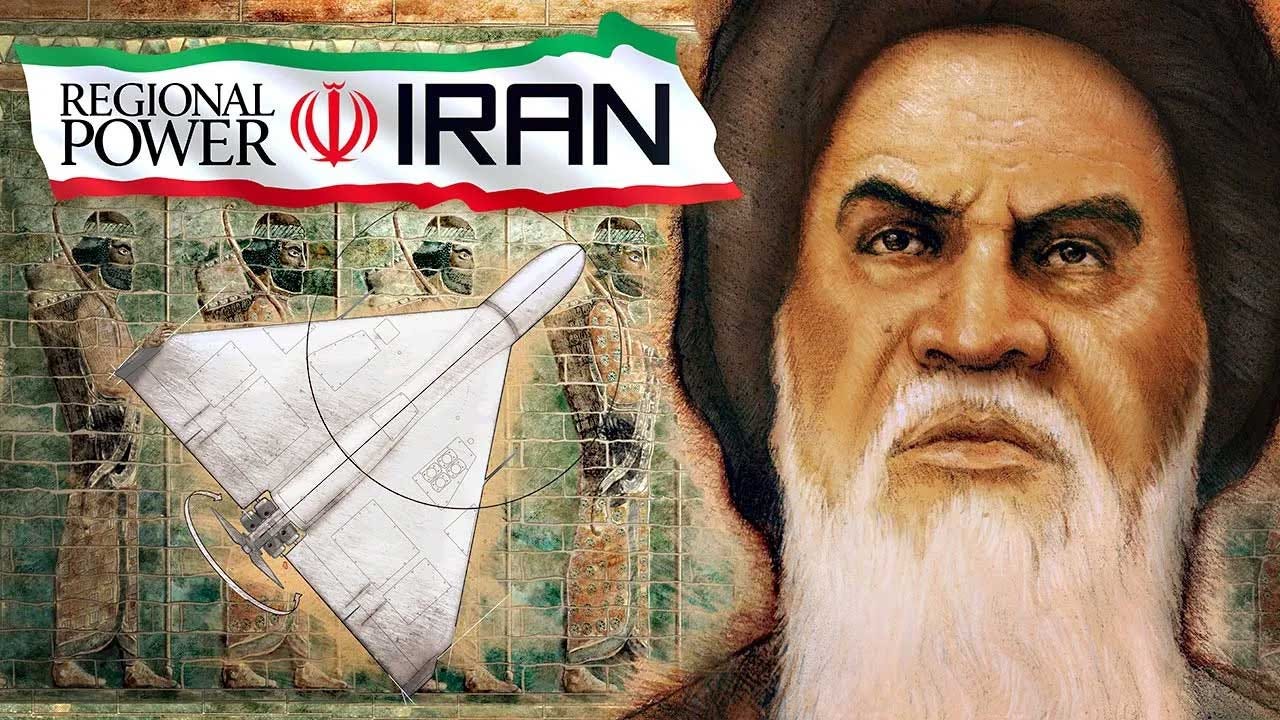
What has emerged instead is strategic overstretch.
Iran poured tens of billions of dollars into supporting armed groups and allied regimes across the region, but when the moment of crisis arrived, those investments delivered little protection. Hezbollah has been badly weakened. Assad’s fall removed Tehran’s most important Arab ally. Militia networks in Iraq are fragmented and cautious. Even Yemen’s Houthis, once promoted as part of a unified “axis,” now act primarily according to their own local interests.
Most strikingly, when Israel and the United States struck Iranian territory during the 12-day war, Iran found itself diplomatically isolated. No Arab state came to its defense. Russia and China — often portrayed by Tehran as strategic partners — offered words, not protection. Neither intervened to deter attacks on Iranian facilities. The supposed geopolitical shield never materialized.
Inside Iran, this has been a devastating realization. Cities struggle with unemployment, inflation, water shortages, and collapsing infrastructure, while Iranians watch how vast resources were spent abroad only to produce vulnerability at home. What was sold as regional power now looks like regional exposure — a strategy that brought enemies closer while leaving Iran increasingly alone.
The promise of “Iran Rising” has been replaced by a far more troubling image: a country that sacrificed prosperity for influence, and received isolation instead.
Economic and Environmental Self-Destruction
When “Self-Sufficiency” Became Self-Sabotage.
For years, Iran’s leadership promoted the idea of a “resistance economy” — a model of self-reliance designed to protect the country from sanctions, foreign pressure, and global markets. The public was told that enduring hardship today would guarantee independence and stability tomorrow.

What it produced instead was economic and environmental collapse.
Inflation has destroyed household purchasing power. Corruption has hollowed out state institutions. Mismanagement of water, agriculture, and energy has pushed the country toward ecological crisis. Power shortages, dry rivers, collapsing aquifers, and unlivable cities are no longer abstract threats — they are daily realities for millions of Iranians. At the same time, a massive brain drain is emptying the country of its most educated and productive citizens, as professionals flee a system that offers neither opportunity nor security.
This is not the outcome of sanctions alone. It is the result of a governing philosophy that prioritised ideological defiance over economic competence, patronage over productivity, and political loyalty over expertise. A narrow elite built fortunes by navigating sanctions, while ordinary Iranians absorbed the cost through rising prices, failing services, and environmental degradation.
The country was not protected by “resistance.” It was stripped.
What Iranians are experiencing today is not just poverty — it is the visible collapse of a model of governance that promised dignity and delivered decay.
The Eastward Gamble That Failed
No West, No East — No Real Friends
Almost since the beginning of the Islamic Republic, Iran’s leadership declared a strategic “pivot to the East,” presenting alignment with China and Russia as an alternative to engagement with the West. The message was clear: Iran is no longer allied with Europe or the United States. New partners would provide trade, technology, political cover, and strategic protection.

That promise collapsed the moment war arrived.
When Israel struck Iranian targets and the United States hit nuclear facilities during the 12-day war, neither Beijing nor Moscow offered meaningful protection. There were no air defenses, no security guarantees, no strategic backing. What Iran received were cautious statements urging “restraint” — the diplomatic equivalent of abandonment.
The reality became impossible to hide: Iran had not built alliances, only dependencies. China treated Iran as a discounted energy supplier. Russia viewed it as a tactical asset, useful only so long as it served Moscow’s interests. Neither was willing to risk confrontation with Israel or the United States on Iran’s behalf.
By limiting relations with the West without securing genuine strategic guarantees from the East, Tehran left itself exposed. The regime had claimed it was escaping Western pressure. Instead, it found itself isolated from all sides — dependent on great powers that would not defend it when it mattered most.
For many Iranians, this was the final confirmation that the country had been geopolitically mismanaged. The promise of “looking East” was supposed to deliver sovereignty and security. What it delivered was loneliness at the moment of crisis.
The Moral Collapse of the Islamic Republic
The 1979 revolution was not sold to Iranians merely as a political change. It was presented as a moral awakening — a promise that justice would replace tyranny, that dignity would replace corruption, and that faith would anchor public life in ethical responsibility. The Islamic Republic claimed it would build not just a stronger state, but a more righteous society.
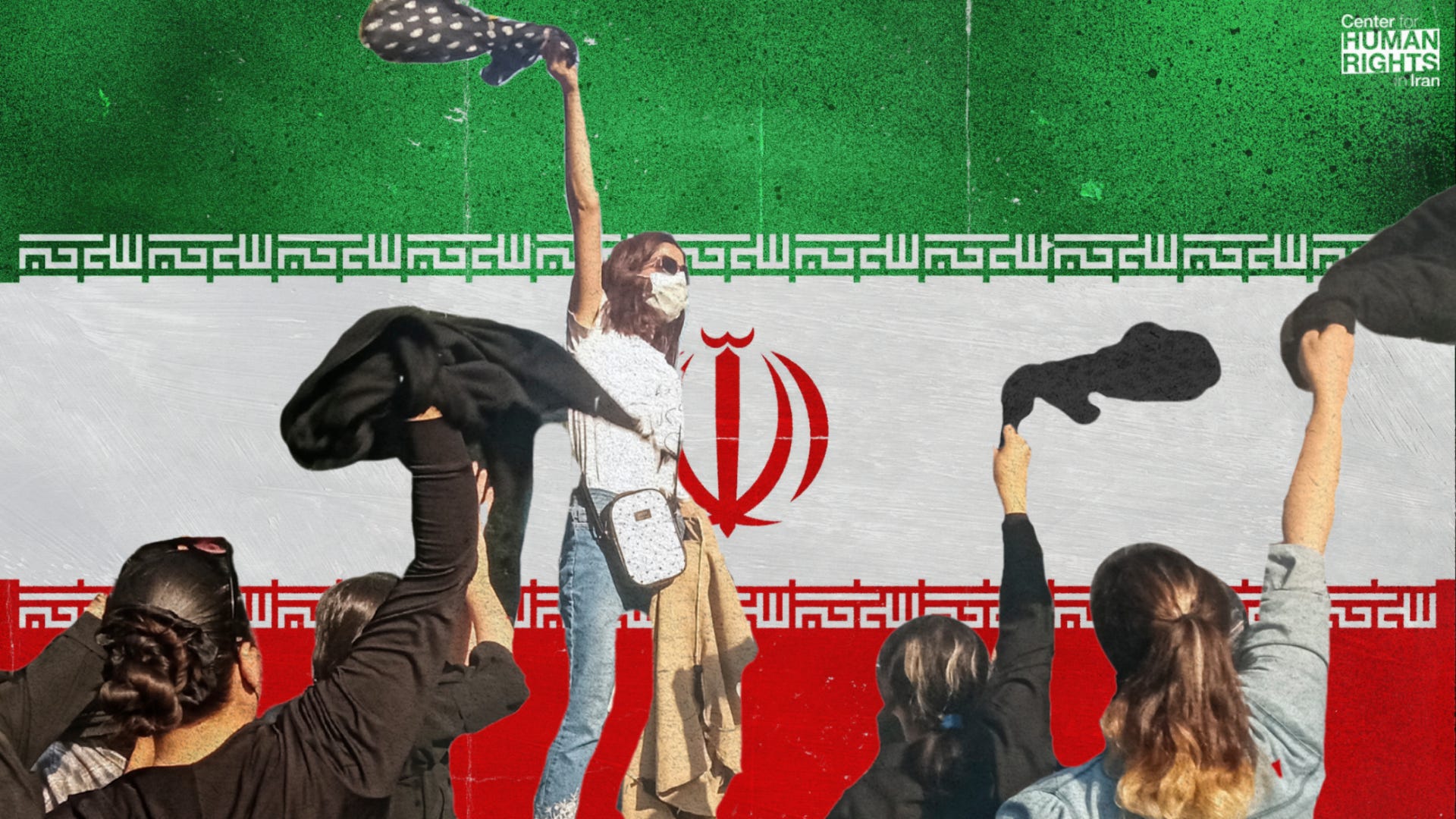
What many Iranians see today is the opposite.
A narrow clerical and security elite has accumulated extraordinary privilege while ordinary people struggle to survive. Institutions created in the name of the poor and the oppressed have become vehicles for wealth, patronage, and political control. Corruption scandals involving religious foundations, military-linked businesses, and political families have become routine — and untouchable.
At the same time, repression has been justified in the language of religion. Morality policing, censorship, and the silencing of dissent are framed as defense of Islam, even as they strip religion of credibility. For a growing number of Iranians, faith has been turned into a tool of power rather than a source of meaning.
This is not merely a political crisis. It is a moral rupture. When a religious state loses its ethical authority, it loses the deepest source of its legitimacy. Coercion can enforce obedience for a time, but without moral trust, the bond between ruler and society breaks.
The Islamic Republic now confronts not just angry citizens — but a population that no longer believes in the story it once told about itself.
